
How to Choose the Best Suppressor for Deer Hunting in Alabama
Jimmy Harrell Sep 01, 2026
How to Choose the Best Suppressor for Deer Hunting in Alabama
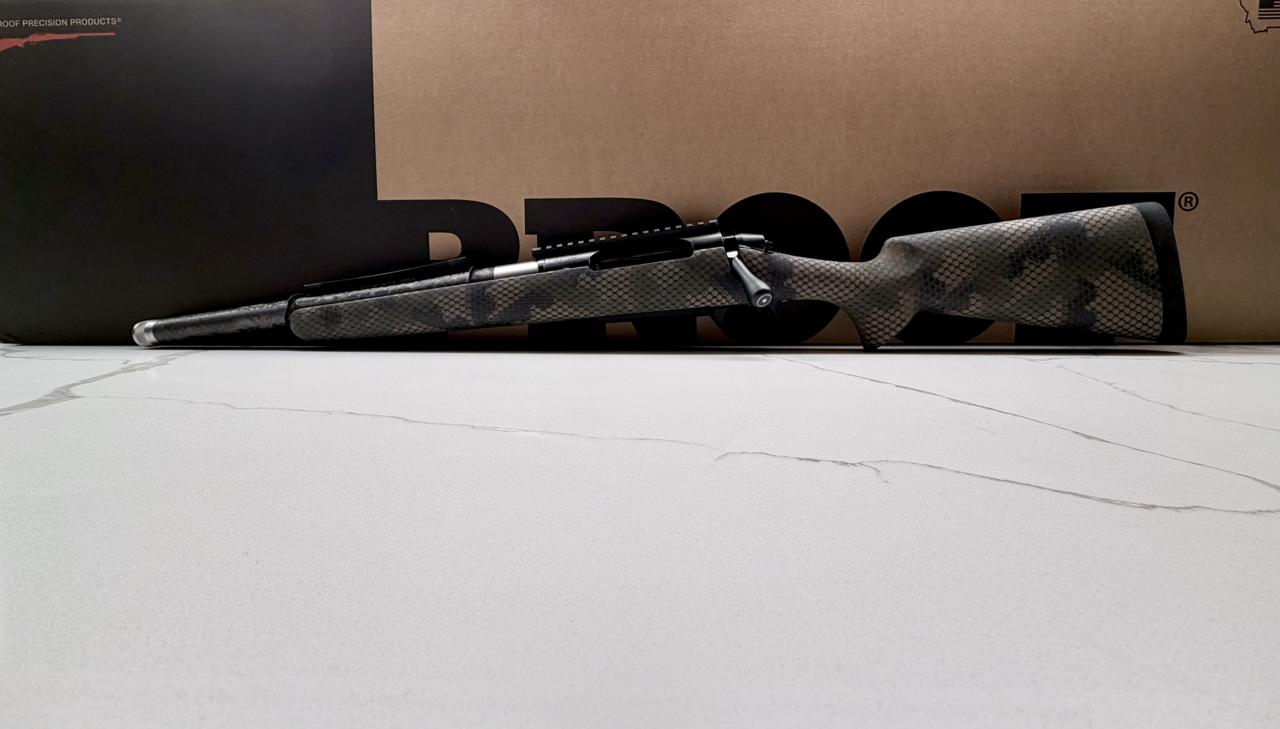
A good hunting suppressor and a good range suppressor aren't always the same thing.
At the range, another inch of length or a few extra ounces may not bother you. Carry that same rifle through Alabama hardwoods, climb into a stand before daylight, or maneuver it inside a shooting house and those extra inches suddenly matter.
That's why I usually start with a different question when someone asks what suppressor they should buy for a deer rifle:
How are you actually going to hunt with it?
Sound reduction matters. So does caliber compatibility. But on a hunting rifle, weight, length, balance and mounting method can matter nearly as much.
Start With Your Rifle and Cartridge
The first step is making sure the suppressor is rated for the cartridge you intend to use.
A .30-caliber suppressor is commonly used across a variety of .30-caliber and smaller cartridges when the manufacturer permits it. More specialized suppressors may be optimized around a narrower bore size or specific class of cartridges.
If you're still learning how suppressor bore size relates to different rifle cartridges, our Suppressor Bore Size 101 rifle caliber guide is a good place to start.
That creates your first major decision.
Do you want one suppressor to move between several hunting rifles, or are you building one rifle around one suppressor?
A multi-purpose suppressor can make a lot of sense for someone with several rifles. A dedicated suppressor may make more sense when maximum performance and minimum weight on one particular rifle are the goal.
Never assume compatibility simply because the bullet will physically fit through the bore. Cartridge pressure, barrel length and the manufacturer's current published ratings still matter.
Weight Matters More Than the Number Suggests
A difference of four or five ounces doesn't sound like much when you're comparing specifications online.
Put those ounces at the very end of a 20- or 22-inch hunting barrel and you'll notice them.
Suppressor weight changes how the rifle balances. A rifle that felt quick and comfortable before can suddenly feel muzzle-heavy.
That doesn't mean the lightest suppressor automatically wins. Very lightweight suppressors may give up some heat capacity or sustained-firing capability compared with heavier designs.
The better question is:
How much durability do I actually need on this rifle?
A deer rifle that fires one or two carefully aimed shots has completely different requirements from a high-volume semiautomatic rifle.
For a dedicated hunting rifle, lightweight titanium suppressors can be especially attractive because they reduce the amount of weight hanging off the front of the barrel.
Added Length May Matter Even More
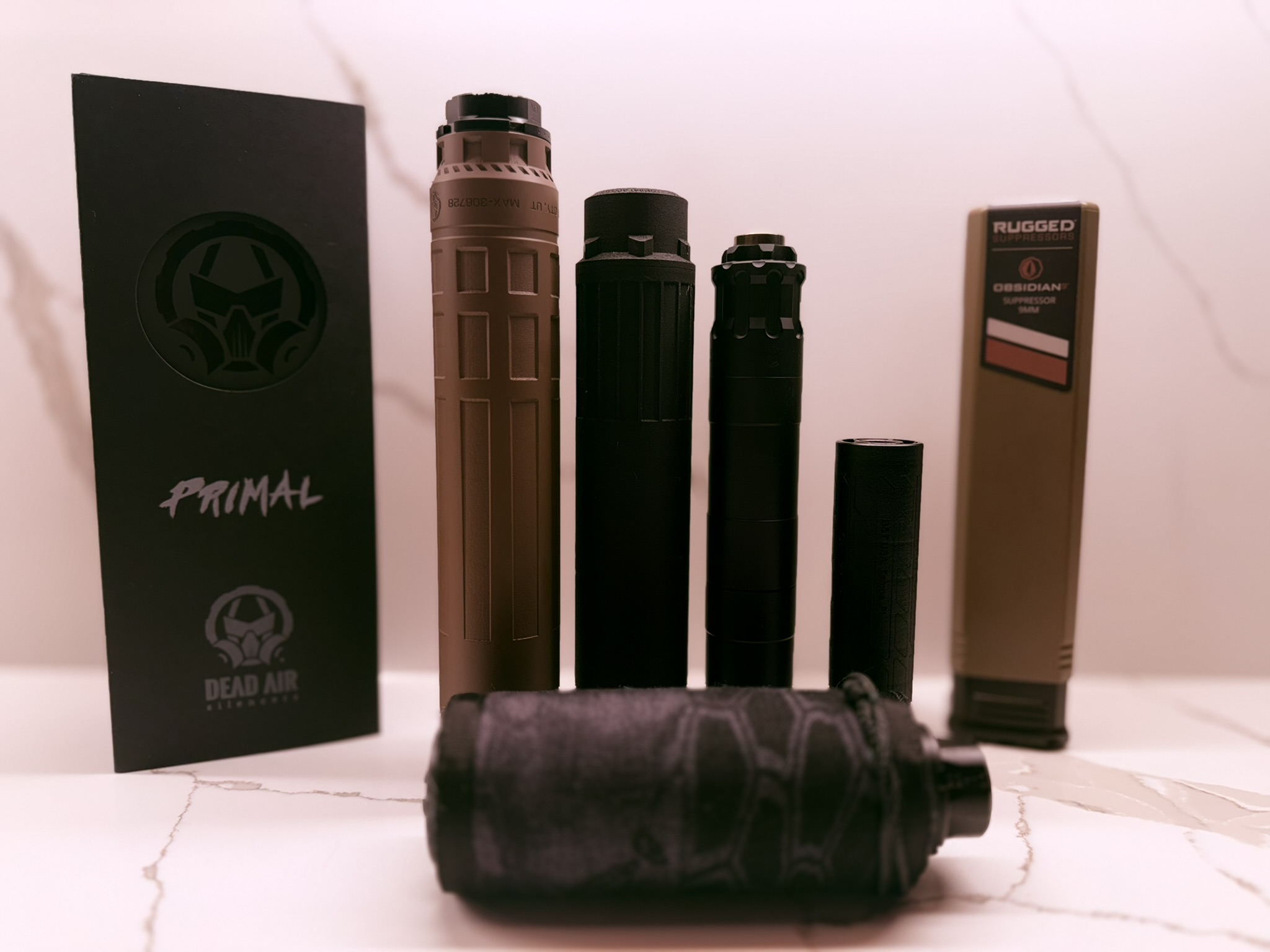
Overall length is one of the most overlooked specifications when people shop for a hunting suppressor.
A seven-inch suppressor doesn't necessarily make the rifle exactly seven inches longer. The mounting system determines how much length is actually added beyond the muzzle.
But every additional inch affects maneuverability.
That's especially noticeable in:
- Tree stands
- Ladder stands
- Enclosed shooting houses
- Thick hardwoods
- Trucks and UTVs
- Ground blinds with narrow shooting windows
A suppressor that is spectacularly quiet but turns your rifle into something awkward to hunt with may not be the right suppressor for you.
For many Alabama hunters, I'd rather find the best combination of good suppression, low weight and manageable overall length than chase maximum sound reduction at the expense of everything else.
Sound Reduction Still Matters
None of this means sound performance isn't important. It is.
A suppressor reduces muzzle blast and changes the entire shooting experience. That can be particularly valuable when hunting around family members, hunting partners, dogs or neighboring property.
But don't fall into the trap of assuming the biggest suppressor is automatically the best.
Suppressor performance depends on more than physical size. Internal design, bore diameter, cartridge, barrel length and ammunition can all affect what the shooter experiences.
A suppressor also shouldn't automatically be assumed to make every firearm hearing-safe under every condition. Appropriate hearing protection remains a smart practice whenever circumstances allow.
Direct Thread or Quick-Detach?
A dedicated hunting rifle is one of the places where direct-thread mounting makes a strong argument.
Direct-thread systems can be simple, light and compact.
A quality quick-detach system may make more sense if you intend to move one suppressor among multiple rifles frequently.
Neither approach is universally better.
For a rifle that receives one suppressor and stays configured that way through hunting season, simplicity and minimum weight may win. For a hunter with several rifles, repeatability and convenience may matter more.
Don't Ignore Barrel Length
If you've ever thought, "I'll just put a suppressor on my existing long-barreled rifle," calculate the final length before you order anything.
A 24-inch barrel combined with a full-size suppressor can create a very long hunting rifle.
That's one reason more hunters are choosing shorter factory barrels or configuring rifles specifically for suppressed use.
The goal isn't to make a rifle short simply for the sake of being short. The goal is to keep overall suppressed length reasonable for the way you hunt.
Think About the Entire Rifle System
The suppressor should not be selected in isolation.
- Rifle weight
- Barrel length
- Optic weight
- Suppressor weight
- Mounting system
- Sling setup
- How far you normally carry the rifle
- Where you hunt
- Your cartridge
- Whether you'll move the suppressor between rifles
The lightest suppressor isn't automatically best. The quietest isn't automatically best. And the shortest isn't automatically best.
The best hunting suppressor is the one that gives you the performance you want without ruining the handling characteristics that made you like the rifle in the first place.
Shopping for a Hunting Suppressor?
You can browse our current suppressor inventory online, or review our step-by-step guide to buying a suppressor if this will be your first NFA purchase.
At Lawson & Cooper Arms, we work with hunters trying to solve exactly this problem. Tell us the rifle, barrel length, cartridge and how you hunt, and we'll help narrow the field to suppressors that actually make sense for the setup.
If you don't see the model you're interested in on the website, contact us with the exact suppressor or application you're looking for. We may be able to source it through our dealer network.
If we wouldn't put it on our own hunting rifle for the same purpose, we're not going to recommend it simply because it happens to be available.